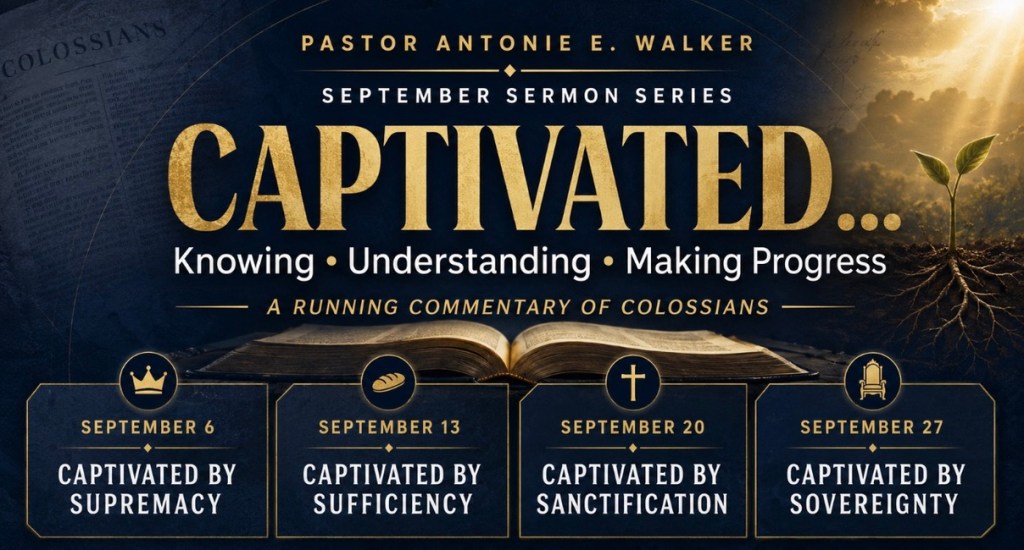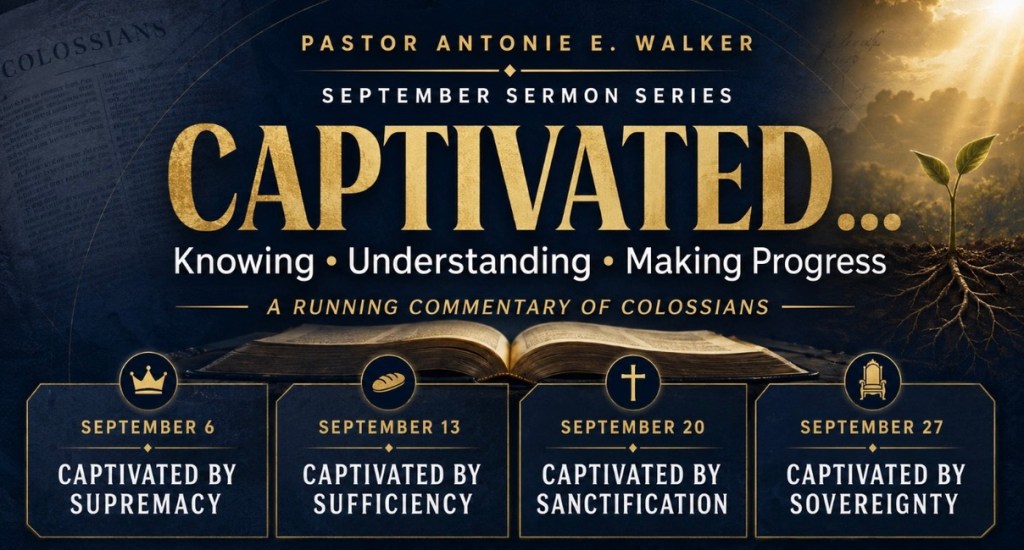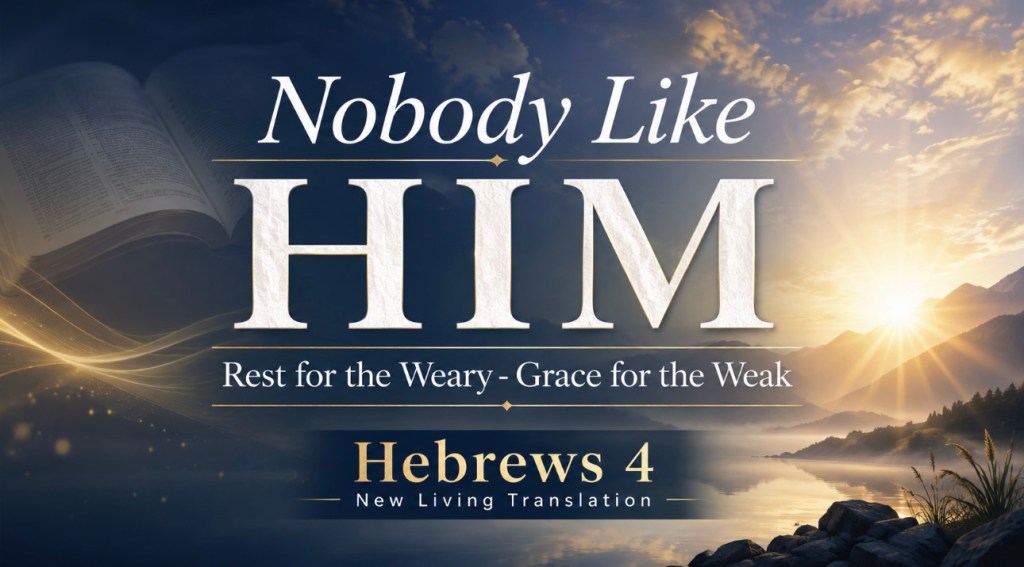
Summer Breeze 1 of 4

Trusting God When Life is Tough

Psalm 27 New Living Translation…The Lord is my light and my salvation—so why should I be afraid?
The Lord is my fortress, protecting me from danger, so why should I tremble?
When evil people come to devour me, when my enemies and foes attack me, they will stumble and fall.
Though a mighty army surrounds me, my heart will not be afraid. Even if I am attacked, I will remain confident.

The one thing I ask of the Lord—the thing I seek most—is to live in the house of the Lord all the days of my life, delighting in the Lord’s perfections and meditating in his Temple.
For he will conceal me there when troubles come; he will hide me in his sanctuary. He will place me out of reach on a high rock.
Then I will hold my head high above my enemies who surround me. At his sanctuary I will offer sacrifices with shouts of joy, singing and praising the Lord with music.

Hear me as I pray, O Lord. Be merciful and answer me!
My heart has heard you say, “Come and talk with me.” And my heart responds, “Lord, I am coming.”
Do not turn your back on me. Do not reject your servant in anger. You have always been my helper. Don’t leave me now; don’t abandon me, O God of my salvation!
10 Even if my father and mother abandon me, the Lord will hold me close. 11 Teach me how to live, O Lord. Lead me along the right path, for my enemies are waiting for me.
12 Do not let me fall into their hands. For they accuse me of things I’ve never done; with every breath they threaten me with violence.

13 Yet I am confident I will see the Lord’s goodness while I am here in the land of the living. 14 Wait patiently for the Lord. Be brave and courageous. Yes, wait patiently for the Lord.

Introduction: It’s not necessary to know the context of trouble, for you to connect with the harsh reality that trouble exists and that we all experience it without you having to look for it. We don’t know when it was written, and we don’t know the circumstances or conditions it was written under.

Transition: L-I-F-E is tough. It is filled with variables that will leave you vulnerable when you aren’t in tune with the divine constant.

Exposition:

Affirmation of confidence. verses 1-3

To be confident, evokes assurance of power, certainty of character, and faith in spite of facts. 

ReferenceHebrews 13:8, Philippians 1:6

Supplication for presence. verses 4-6

Supplication is desperate desire. David prays with a passionate push, because he’s aware that just the presence of God alone is powerful.

Supplication for presents. verses 7-12

Mercy is a present. Mercy is when God doesn’t give us what we deserved.

Exhortation for confidence. verses 13-14

Be confident that God is working on your behalf!

Conclusion: “Living in the presence of God, is greater than living in the absence of trouble”. ~Dr. Howard John Wesley

Get Your Mind Right 4 of 4

Get Your Mind Right 4 of 4

Objective: With improvement in mind, we will use Acts 16 as a guide for discipleship development, to lose our restrictive view in favor of God’s unrestricted power for progress.

The Painful Profit

Acts 16:16-40 New Living Translation… One day as we were going down to the place of prayer, we met a slave girl who had a spirit that enabled her to tell the future. She earned a lot of money for her masters by telling fortunes. 17 She followed Paul and the rest of us, shouting, “These men are servants of the Most High God, and they have come to tell you how to be saved.”

18 This went on day after day until Paul got so exasperated that he turned and said to the demon within her, “I command you in the name of Jesus Christ to come out of her.” And instantly it left her.

19 Her masters’ hopes of wealth were now shattered, so they grabbed Paul and Silas and dragged them before the authorities at the marketplace. 20 “The whole city is in an uproar because of these Jews!” they shouted to the city officials. 21 “They are teaching customs that are illegal for us Romans to practice.”

22 A mob quickly formed against Paul and Silas, and the city officials ordered them stripped and beaten with wooden rods. 23 They were severely beaten, and then they were thrown into prison. The jailer was ordered to make sure they didn’t escape. 24 So the jailer put them into the inner dungeon and clamped their feet in the stocks.

25 Around midnight Paul and Silas were praying and singing hymns to God, and the other prisoners were listening. 26 Suddenly, there was a massive earthquake, and the prison was shaken to its foundations. All the doors immediately flew open, and the chains of every prisoner fell off! 27 The jailer woke up to see the prison doors wide open. He assumed the prisoners had escaped, so he drew his sword to kill himself. 28 But Paul shouted to him, “Stop! Don’t kill yourself! We are all here!”

29 The jailer called for lights and ran to the dungeon and fell down trembling before Paul and Silas. 30 Then he brought them out and asked, “Sirs, what must I do to be saved?”

31 They replied, “Believe in the Lord Jesus and you will be saved, along with everyone in your household.” 32 And they shared the word of the Lord with him and with all who lived in his household. 33 Even at that hour of the night, the jailer cared for them and washed their wounds. Then he and everyone in his household were immediately baptized. 34 He brought them into his house and set a meal before them, and he and his entire household rejoiced because they all believed in God.

35 The next morning the city officials sent the police to tell the jailer, “Let those men go!” 36 So the jailer told Paul, “The city officials have said you and Silas are free to leave. Go in peace.”

37 But Paul replied, “They have publicly beaten us without a trial and put us in prison—and we are Roman citizens. So now they want us to leave secretly? Certainly not! Let them come themselves to release us!”

38 When the police reported this, the city officials were alarmed to learn that Paul and Silas were Roman citizens. 39 So they came to the jail and apologized to them. Then they brought them out and begged them to leave the city. 40 When Paul and Silas left the prison, they returned to the home of Lydia. There they met with the believers and encouraged them once more. Then they left town.

Introduction: From a place of great pain that became profit, Horatio Gates Spafford wrote It Is Well With My Soul…

When peace, like a river, attendeth my way, When sorrows like sea billows roll; Whatever my lot, Thou hast taught me to say, It is well, it is well with my soul.

‌Though Satan should buffet, though trials should come, Let this blest assurance control, That Christ hath regarded my helpless estate, And hath shed His own blood for my soul.

‌(Refrain:) It is well (it is well), with my soul (with my soul), It is well, it is well with my soul.

Pain is the crucible of the Christian which is the passageway for meaningful ministry.

Overwhelming Observations:

Pain Is

Severe: II Corinthians 2:8-10

Seasonal: II Corinthians 4:17

Profit is

Conversion: II Corinthians 5:17

Community: Acts 16:40

Punchline: Serving the Lord requires us to learn how to turn a darkroom into a SONroom!

Conclusion: “Let this mind be in you which was also in Christ Jesus…”

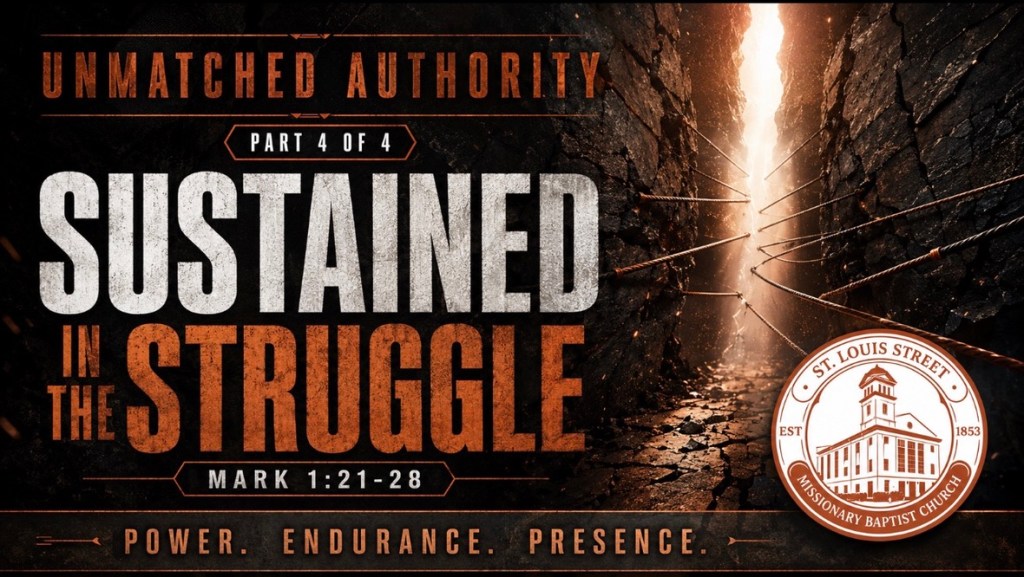
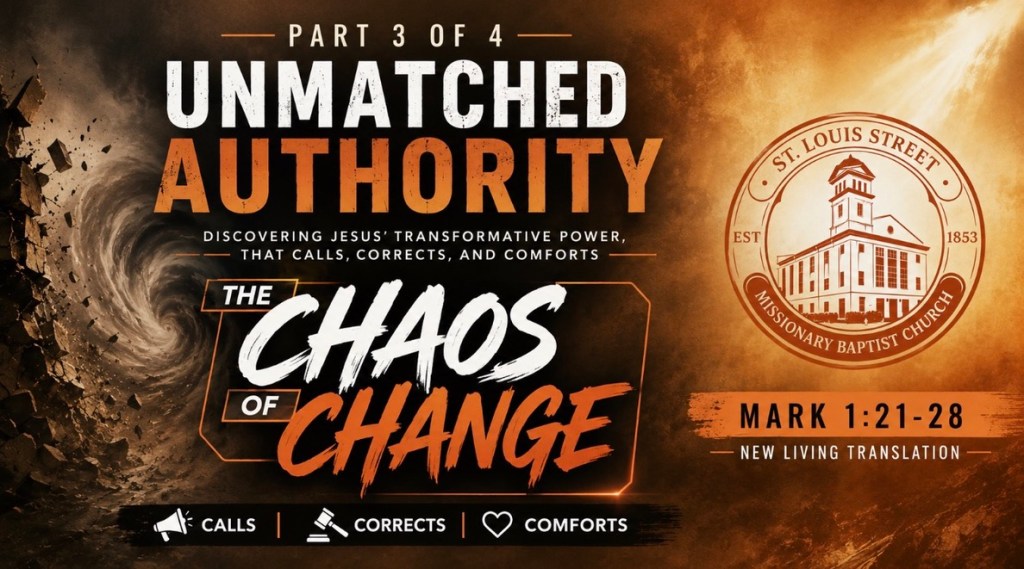
Unmatched Authority 1 of 4

Unmatched Authority 1 of 4

When Satan Is in the Sanctuary

Mark 1:21-28 New Living Translation… Jesus and his companions went to the town of Capernaum. When the Sabbath day came, he went into the synagogue and began to teach. 22 The people were amazed at his teaching, for he taught with real authority—quite unlike the teachers of religious law.

23 Suddenly, a man in the synagogue who was possessed by an evil spirit cried out, 24 “Why are you interfering with us, Jesus of Nazareth? Have you come to destroy us? I know who you are—the Holy One of God!”

25 But Jesus reprimanded him. “Be quiet! Come out of the man,” he ordered. 26 At that, the evil spirit screamed, threw the man into a convulsion, and then came out of him.

27 Amazement gripped the audience, and they began to discuss what had happened. “What sort of new teaching is this?” they asked excitedly. “It has such authority! Even evil spirits obey his orders!” 28 The news about Jesus spread quickly throughout the entire region of Galilee.

Introduction: At the end of Jesus’ earthly ministry forty days after the resurrection, Jesus verbally proclaimed that he possessed all authority in heaven and on earth. But Mark makes it clear from the very beginning of Jesus’ ministry, that God is the ultimate, final, and definitive authority in the world, and God cannot be overruled.

Transition: Capernaum (village of comfort) is the headquarters of Jesus’ ministry. After choosing his first four disciples, he visits the synagogue (a satellite Temple) and is invited to be the guest rabbi (teacher) for the Sabbath.

While Jesus is teaching, tension arises due to the interruption of a demon possessed man… Satan comes into the sanctuary, but he efficiently rides in the attitudes, demeanors, character, emotions, and mentalities of the weak and willing.

Exposition: When Satan is present, he has a hard time keeping his mouth closed.

This demon possessed man makes three statements of affirmation for Jesus…
Humanity. Jesus of Nazareth

Authority. Have you come to destroy us? Reference James 2:19

Divinity. I now who you are – the Holy One of God!

To prevent your ignorance of of Satan, here is a theology of Satan in three sentences…

-Satan is real.

-Satan is powerful.

-Satan is defeated!

Conclusion: The anchor word for this message is present. Satan does come into the sacred space, but it’s not for positive progress. Satan is always present for negative nourishment. Don’t sit at his table, and don’t allow him to feed you.

House Party (Reflection)

House Party (Reflection)

The After Party

Luke 15:11-32 New Living Translation… To illustrate the point further, Jesus told them this story: “A man had two sons. 12 The younger son told his father, ‘I want my share of your estate now before you die.’ So his father agreed to divide his wealth between his sons.

13 “A few days later this younger son packed all his belongings and moved to a distant land, and there he wasted all his money in wild living. 14 About the time his money ran out, a great famine swept over the land, and he began to starve. 15 He persuaded a local farmer to hire him, and the man sent him into his fields to feed the pigs. 16 The young man became so hungry that even the pods he was feeding the pigs looked good to him. But no one gave him anything.

17 “When he finally came to his senses, he said to himself, ‘At home even the hired servants have food enough to spare, and here I am dying of hunger! 18 I will go home to my father and say, “Father, I have sinned against both heaven and you, 19 and I am no longer worthy of being called your son. Please take me on as a hired servant.”’

20 “So he returned home to his father. And while he was still a long way off, his father saw him coming. Filled with love and compassion, he ran to his son, embraced him, and kissed him. 21 His son said to him, ‘Father, I have sinned against both heaven and you, and I am no longer worthy of being called your son.’

22 “But his father said to the servants, ‘Quick! Bring the finest robe in the house and put it on him. Get a ring for his finger and sandals for his feet. 23 And kill the calf we have been fattening. We must celebrate with a feast, 24 for this son of mine was dead and has now returned to life. He was lost, but now he is found.’ So the party began.

25 “Meanwhile, the older son was in the fields working. When he returned home, he heard music and dancing in the house, 26 and he asked one of the servants what was going on. 27 ‘Your brother is back,’ he was told, ‘and your father has killed the fattened calf. We are celebrating because of his safe return.’

28 “The older brother was angry and wouldn’t go in. His father came out and begged him, 29 but he replied, ‘All these years I’ve slaved for you and never once refused to do a single thing you told me to. And in all that time you never gave me even one young goat for a feast with my friends. 30 Yet when this son of yours comes back after squandering your money on prostitutes, you celebrate by killing the fattened calf!’

31 “His father said to him, ‘Look, dear son, you have always stayed by me, and everything I have is yours. 32 We had to celebrate this happy day. For your brother was dead and has come back to life! He was lost, but now he is found!’”

Introduction: Welcome to the clean-up crew!

Transition: Jesus was focused on driving the point home for those critical Pharisees, that heaven gets happy every time a sinner repents and returns after straying away. Reference Luke 14:1

The kingdom of God is not to be reduced to aquarium keepers, but we are fishers of men!

Exposition: Let’s reflect on three words that we need to pick-up to put the house back in order…

Waste occurs when we’re wild

Worth isn’t our’s to weigh

Work isn’t a weight

Conclusion: Remember that God is the star in the entire chapter of Luke 15. The Pharisees had been complaining about characters who weren’t the stars of the show, and Jesus’ goal was to fine tune their focus.

House Party 4 of 4

House Party 4 of 4

Be Cool

Luke 15:25-32 New Living Translation… “Meanwhile, the older son was in the fields working. When he returned home, he heard music and dancing in the house, 26 and he asked one of the servants what was going on. 27 ‘Your brother is back,’ he was told, ‘and your father has killed the fattened calf. We are celebrating because of his safe return.’

28 “The older brother was angry and wouldn’t go in. His father came out and begged him, 29 but he replied, ‘All these years I’ve slaved for you and never once refused to do a single thing you told me to. And in all that time you never gave me even one young goat for a feast with my friends. 30 Yet when this son of yours comes back after squandering your money on prostitutes, you celebrate by killing the fattened calf!’

31 “His father said to him, ‘Look, dear son, you have always stayed by me, and everything I have is yours. 32 We had to celebrate this happy day. For your brother was dead and has come back to life! He was lost, but now he is found!’”

Introduction: We forget that God’s love is not a gate that detains us, but God’s love are guardrails that defend us from ourselves! Reference Romans 8:38

Transition: Jesus told more than thirty parables in three categories: the kingdom, judgment, and God’s grace.

The elder brother is angry, and having feelings of anger was well within his right. Reference Ephesians 4:26

Hot hostility is when you have resistance in thought or principle to what you witness being practiced.

Exposition: The elder brother was boiling hot with self-righteous indignation, but what he really needed to do, was to be cool.

Be cool! Why?…

This party is your party

This party could’ve been thrown at anytime

This party ought to change your grumble to glee

Conclusion: Our God through Jesus Christ, has all power, to cool us down when we’re too hot with anger!

House Party 3 of 4

House Party 3 of 4

A Long Walk

Luke 15:11-24 New Living Translation… To illustrate the point further, Jesus told them this story: “A man had two sons. 12 The younger son told his father, ‘I want my share of your estate now before you die.’ So his father agreed to divide his wealth between his sons.

13 “A few days later this younger son packed all his belongings and moved to a distant land, and there he wasted all his money in wild living. 14 About the time his money ran out, a great famine swept over the land, and he began to starve. 15 He persuaded a local farmer to hire him, and the man sent him into his fields to feed the pigs. 16 The young man became so hungry that even the pods he was feeding the pigs looked good to him. But no one gave him anything.

17 “When he finally came to his senses, he said to himself, ‘At home even the hired servants have food enough to spare, and here I am dying of hunger! 18 I will go home to my father and say, “Father, I have sinned against both heaven and you, 19 and I am no longer worthy of being called your son. Please take me on as a hired servant.”’

20 “So he returned home to his father. And while he was still a long way off, his father saw him coming. Filled with love and compassion, he ran to his son, embraced him, and kissed him. 21 His son said to him, ‘Father, I have sinned against both heaven and you, and I am no longer worthy of being called your son.’

22 “But his father said to the servants, ‘Quick! Bring the finest robe in the house and put it on him. Get a ring for his finger and sandals for his feet. 23 And kill the calf we have been fattening. We must celebrate with a feast, 24 for this son of mine was dead and has now returned to life. He was lost, but now he is found.’ So the party began.

Introduction: “There’s no place like home”. ~Dorthy Gale (The Wizard of Oz, 1939)

Transition: Jesus continues to illustrate the reach of God into sinful humanity with a story about a man with a disrespectful young son who left home, and a self righteous son who stays home.

Reference The Parable of the Prodigal Son, Robert Farrar Capon.

Luke 6:45

Exposition: It was a L-O-N-G walk, from the far, far away country back to his father’s house. The L-O-N-G walk, gave him time to reach some conclusions…

Acknowledgment of his sin.

Reference I John 1:9

Appreciation of being in relationship with his father.

Assumption of the proper posture.

Reference John 8:36

Conclusion: This father with a lasting love for his son, throws a lavish fellowship that everyone was invited to.

The Bush Is Still Burning… Don’t Come Empty Handed

The Bush Is Still Burning… Don’t Come Empty Handed

Exodus 4:1-9 New Living Translation… But Moses protested again, “What if they won’t believe me or listen to me? What if they say, ‘The Lord never appeared to you’?”

Then the Lord asked him, “What is that in your hand?” “A shepherd’s staff,” Moses replied.

3 “Throw it down on the ground,” the Lord told him. So Moses threw down the staff, and it turned into a snake! Moses jumped back.

4 Then the Lord told him, “Reach out and grab its tail.” So Moses reached out and grabbed it, and it turned back into a shepherd’s staff in his hand.

“Perform this sign,” the Lord told him. “Then they will believe that the Lord, the God of their ancestors—the God of Abraham, the God of Isaac, and the God of Jacob—really has appeared to you.”

6 Then the Lord said to Moses, “Now put your hand inside your cloak.” So Moses put his hand inside his cloak, and when he took it out again, his hand was white as snow with a severe skin disease. 7 “Now put your hand back into your cloak,” the Lord said. So Moses put his hand back in, and when he took it out again, it was as healthy as the rest of his body.

8 The Lord said to Moses, “If they do not believe you and are not convinced by the first miraculous sign, they will be convinced by the second sign. And if they don’t believe you or listen to you even after these two signs, then take some water from the Nile River and pour it out on the dry ground. When you do, the water from the Nile will turn to blood on the ground.”

Introduction: The question of “what if” stalls, stunts, and suppresses the possibility of greatness in our lives.

Moses learns that the bush is still burning with God’s fiery presence, and that is an indicator that God has not changed God’s mind!

Transition: God is patiently God.

Reference The book of Jonah; Isaiah 55:11.

Exposition: God did not come down to deliver Israel from slavery empty handed, and I’d argue that God, in our text, shows God’s hand and schools Moses on what’s in his hands.

Moses three signs… a staff that God transforms into a snake then back into a staff; a healthy hand that God transforms into a lifeless limb then back healthy; and a scoop of water from the Nile river that God transforms into blood.

Reference Galatian 6:7

Our God is not empty handed, God is the God of…

-Creativity

Reference Isaiah 55:8-9

-Flexibility

Reference Matthew 26:39

-Authority

Reference Romans 1:16

Conclusion: Whatever it is name it and use it, because that’s where you’ll find freedom. Don’t be startled by it, stingy with it, or stubborn about it!

Empty (Easter)

Empty (Pulpit Notes)

Matthew 28:1-6 “Early on Sunday morning, as the new day was dawning, Mary Magdalene and the other Mary went out to visit the tomb. 2 Suddenly there was a great earthquake! For an angel of the Lord came down from heaven, rolled aside the stone, and sat on it. 3 His face shone like lightning, and his clothing was as white as snow. 4 The guards shook with fear when they saw him, and they fell into a dead faint. 5 Then the angel spoke to the women. “Don’t be afraid!” he said. “I know you are looking for Jesus, who was crucified. 6 He isn’t here! He is risen from the dead, just as he said would happen. Come, see where his body was lying.

To be empty means containing nothing; not filled or occupied. I was raised to believe that emptiness is not a good thing. Empty pantries, empty freezers, empty wallets, empty actions, and most importantly empty words (we should not say what we don’t mean; my grandfather went as far to say that we talk so much that we talk up all the talk; James Brown calls this talking loud but saying nothing). 

Emptiness is generally a sign of one’s inability to fill a void. I’m implying that when something is missing, someone feels the absence but doesn’t know what to do about it. At the death of Buddha, one of his followers was left so emotionally empty, that he said, “To the end of us that began”. He was empty, on spiritual E and didn’t know if he’d ever be filled again or if anyone or anything could ever take Buddha’s place. But today, resurrection day, Easter Sunday, with billions of believers all over the world, we don’t pity our future, but we celebrate a greater level of existence! In antiquity, death was all that life had to offer. Death was the pinnacle; it was the ceiling. But when Jesus stormed out of the grave, he stripped death of its sting and demoted death from being the ceiling of life that caps our existence, to be the floor! Now we don’t fear death as if it’s our enemy, but we use death as merely a means to usher us into the blissful presence of the God who sought us, saved us and secures us in the palm of his own hand!

After an earthly ministry that was so successful that we’re still talking about it and have been positively affected by it over two thousand years later, Jesus was s executed by crucifixion on Golgotha’s skull shaped hill, on Friday. His body was encapsulated in a first century garden grave; literally a cave carved in rock, with a stone sealing the corpse of Christ from the world, for what the Roman government and the Jewish clerics hoped would be forever.

Jesus’ burial was so rushed, so hurried, that he was not properly embalmed. But thank God for women! When men are more concerned with getting finished, so they won’t disrupt their rituals, that women know how to not just get the job done but they know how to get it done right. Some women showed up with burial spices, in order to properly embalm the body of their Lord, early Sunday morning. They speculated on the way there about who’d roll the large stone away from Jesus’ grave. I like that they didn’t allow an obstacle that they didn’t know how to overcome, to stop them from arriving where they’d set their minds to go. 

It’s funny how life works out sometimes. What the women were so worried about, wasn’t even a concern at all. The stone was already rolled away when they made it to the cemetery. It was God’s way of saying “Don’t worry about the stone, because what’s heavy for you is of no consequence to me. I’ll handle your light weight before you even get to it”! Thanks be to God that when we’re up twiddling our thumbs trying to figure it out, that God has already worked it out! That’s why you don’t have to worry about the heavy stones of life, and you can go to sleep tonight, because God is up working the night shift all night long!

These dear women made it to the tomb, expecting for it to be full. Full of their dead savior. Full of their dead hopes and full of their dead dreams, for him to be their messiah; their Christ; their deliverer. But when they arrived at the tomb, for once in their lives they were overwhelmed and overjoyed that something that was supposed to be full, had turned out to be empty. Maybe emptiness in this instance, isn’t such a bad thing at all. I don’t know how you feel about it, but this Easter, I’m grateful for emptiness! Just when they thought Christians were washed up and the fat lady had sung, Jesus rose from the dead, giving us all a new lease on life! Frank Sinatra/Ol’ Blue Eyes sung what I feel Jesus may have thought on getting up morning: I faced it all and I stood tall, and did it my way! Your way said the grave should be full and stay full, but I did it my way, and emptiness sealed the deal of salvation for evermore!

I’ll land this lesson when I tell you what I came say. All of that was just my introduction. Here’s the meat of this message. Late verse 5 and verse 6 says “I know you are looking for Jesus, who was crucified. 6 He isn’t here! He is risen from the dead, just as he said would happen.”

I’ve got to wrap this up so you can get to brunch, so here is my one line Easter speech: Jesus’ grave was empty, but his words are full! He meant exactly what he said, and it happened just like he said. Don’t doubt the Lord, because his word is true! He did in fact die. He did indeed fill a garden grave. But it’s EMPTY now! And because of the empty grave, we can say that his words are full of help for today, full of hope for tomorrow, and full of certainty that he lives within my heart! The application of my little Easter speech for today, is that because of the empty grave, and the fullness of Jesus’ words, our hearts should be filled with grateful commitment. I’m talking about a heart promise, that we’ll live for Jesus with all of our lives for rest of our lives!

Making Today Count

Making Today Count

John 12:1-11 NLT… Six days before the Passover celebration began, Jesus arrived in Bethany, the home of Lazarus—the man he had raised from the dead. A dinner was prepared in Jesus’ honor. Martha served, and Lazarus was among those who ate with him. Then Mary took a twelve-ounce jar of expensive perfume made from essence of nard, and she anointed Jesus’ feet with it, wiping his feet with her hair. The house was filled with the fragrance.

But Judas Iscariot, the disciple who would soon betray him, said, “That perfume was worth a year’s wages. It should have been sold and the money given to the poor.” Not that he cared for the poor—he was a thief, and since he was in charge of the disciples’ money, he often stole some for himself.

Jesus replied, “Leave her alone. She did this in preparation for my burial. 8 You will always have the poor among you, but you will not always have me.”

When all the people heard of Jesus’ arrival, they flocked to see him and also to see Lazarus, the man Jesus had raised from the dead. 10 Then the leading priests decided to kill Lazarus, too, 11 for it was because of him that many of the people had deserted them and believed in Jesus.

Introduction: This story is one of four stories that are included in all four gospels. Matthew 26:1-13, Mark 14:1-9, Luke 7:36-50, and our text in John 12:1-11 (the most detailed account) all record the anointing of Jesus prior to his death. 

Overwhelming Observations: Judas lets us know that you cannot make today count when…

you’re counting someone else’s coins.

you’re critical instead of constructive

you’re conspiring instead of contributing

Exposition: We can make today count when we offer our most sincere sacrifice to Christ, not for what we can ascertain but solely for adoration. I like to call this sacrifice foot work. Mary’s life is a feature trilogy of the investment of time around the feet of Jesus. Foot work requires humility (Acts 20:19).

 Foot work involves…

Studying (Luke 10:39) sitting

Surrendering (John 11:32) falling

Submitting (John 12:3) kneeling

Conclusion: Mary made today count without saying a word. She was silent because your actions speak louder than words.

Rock Steady

Rock Steady (Pulpit Notes)

Psalm 28:1 New Living Translation… “To you, O Lord, I call; my rock, do not refuse to hear me, for if you are silent to me, I shall be like those who go down to the Pit”.

Our text is a psalm of lament. It is the prayer of King David after the rape of his daughter Tamar by his son Amnon, and his son Absalom has avenged his sister by killing their brother Amnon and assumed responsibility of his sister Tamar by moving her into his home. However, Absalom also held his father guilty of his sister’s rape because of his negligence to punish Amnon.  So, David, God’s chosen leader/a man after God’s heart/a proven military tactician/the king of Israel is on the run, from his own son. David’s family, has become his enemy.

It is under these horrendous conditions that David prays for the mercy of God for his protection. He appeals to the Lord, his rock. 

Rocks are incredibly versatile. Through the annals of history, they’ve been used as tools. They were good for hammering and scraping. Rocks have also been used as weapons. There was no way for me to raise this fact, without mentioning David slaying Goliath the giant, with a sling shot and five smooth stones. Memorials have made good uses of rocks. Sometimes rocks would be stacked in remembrance of God’s mighty acts in the lives of his people. We’ve adopted that ancient sentiment by carving headstones and using them to display epitaphs, reminding us of our mortality. But rocks are also good for construction. I could use a bible reader to help me here. Ephesians 2:20 says “Together, we are his house, built on the foundation of the apostles and the prophets. And the cornerstone is Christ Jesus himself”. Cornerstones are imperative in building. They must be without imperfection, so that the structure will be stable. Strangely enough, a building project begins and ends with a cornerstone. Jesus Christ is the stone that the builders rejected, but he became the chief cornerstone, the alpha and omega; the first and the last!

God is referred to as a rock thirty-three times in the Old Testament. Sixteen of those thirty-three times are found in the Psalms. Psalm 18:2 “The Lord is my rock, my fortress, and my deliverer” … Psalm 62:6 “God alone is my rock and my salvation, my fortress; I shall not be shaken”. Psalm 89:26 “He shall cry to me, You are my Father, my God, and the Rock of my salvation”! Psalm 95:1 “O come, let us sing to the Lord; let us make a joyful noise to the rock of our salvation”! Psalm 144:1-2 “Praise the Lord, who is my rock. He trains my hands for war and gives my fingers skill for battle.He is my loving ally and my fortress, my tower of safety, my rescuer. He is my shield, and I take refuge in him. He makes the nations submit to me”. Brothers and sisters, there’s no doubt in my mind, that the Psalmist is conveying to us that our God is the Rock at life’s bottom! He is strong. He is safe. He is steady. So much so, that when all else around us gives way, that we find out that God is all we have, because God is all we need!

This text boiled down to a single word for me, and that word is relationship. That’s what David hints at, suggesting that since relationships are sour while others are sweet. Some are negative while others are positive. Some relationships aren’t worth the investment and others are worth every penny because they add to the quality of our existence.

Personal: To you, O Lord, 

Jehovah

Prayer: I call; 

Sacred communication with the Divine

Provision: my rock, 

You are my strength and stability

Possibility: do not refuse to hear me, for if you are silent to me, 

(Father I stretch my hands to Thee…)

Perspective: I shall be like those who go down to the Pit.

Sheol is the abode of the dead